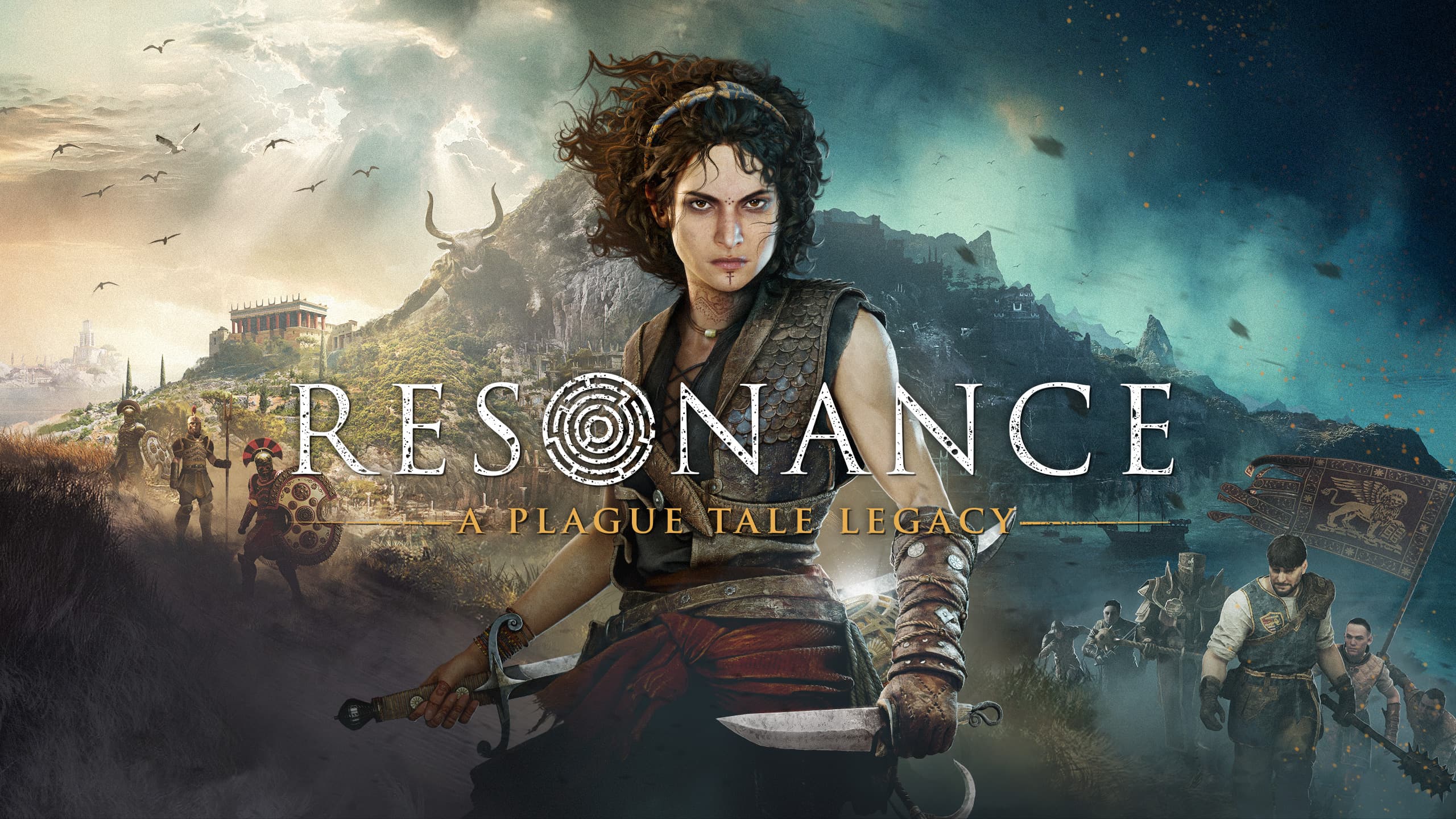
After building such a strong connection to Amicia, Hugo, and Lucas throughout the first two games, Resonance: A Plague Tale Legacy takes the series in a different direction. Instead of continuing their story, Asobo Studio goes back in time to explore a character first introduced in A Plague Tale: Requiem: Sophia.
First introduced as an ally to Amicia, Sophia was already an intriguing character in Requiem. Resonance takes us into her past, giving more context to the person she eventually becomes while exploring her connection to the Prima Macula.
And while Resonance doesn't quite reach the emotional heights of the games that came before it, it proves there are still plenty of stories worth telling within the world of A Plague Tale.
Sophia Before Requiem
Set 15 years before the events of A Plague Tale: Innocence, Resonance introduces us to a much younger Sophia and provides some much-needed backstory for the smuggler we eventually meet in Requiem.
Much of the game takes place on a small Cretan island, where Sophia's story unfolds through tomb exploration, ancient ruins, and a series of mysteries surrounding the Prima Macula. Helping guide her are visions of another life from centuries earlier—visions Sophia has experienced since she was a young girl.
Forced by her father and Faro, her father's lieutenant, to document these visions as a child, Sophia eventually discovers that those old journal entries may hold the key to understanding the island and the civilization that once inhabited it.
The result is a story that feels familiar to A Plague Tale while still being distinctly Sophia's.
Combat Finally Takes Center Stage
One of the biggest changes in Resonance is the introduction of true hand-to-hand combat.
The game begins with relatively basic sword fighting, but Sophia's arsenal gradually expands as you earn Resonance Points through combat and exploration. New abilities introduce mechanics such as parrying, dodging, critical strikes, and deadly finishing moves.
After two games that relied heavily on stealth and avoiding direct confrontation, being able to stand your ground feels refreshing. More importantly, the combat is actually satisfying.
Progression doesn't feel like a chore, and unlocking new abilities noticeably expands what Sophia is capable of during encounters. It gives Resonance its own identity rather than simply feeling like another Plague Tale game with a different protagonist.
Puzzles That Actually Make You Think
Combat isn't the only major addition.
Early in the campaign, Sophia obtains a mysterious orb that becomes an important tool throughout the rest of her journey. Using the orb alongside information recorded in her journal, she must solve puzzles left behind by the ancient civilization that once inhabited the island.
And honestly, the puzzles are one of the game's strongest additions.
None of them are frustratingly difficult, but they aren't so easy that they feel pointless either. Most require you to stop, look around, interpret the environment, and think about the information you've been given.
They strike a good balance between accessibility and challenge.
Instead of another simple "pull this lever to open the door" mechanic, they make exploration feel like an actual part of uncovering the island's history.
Another Beautiful World From Asobo
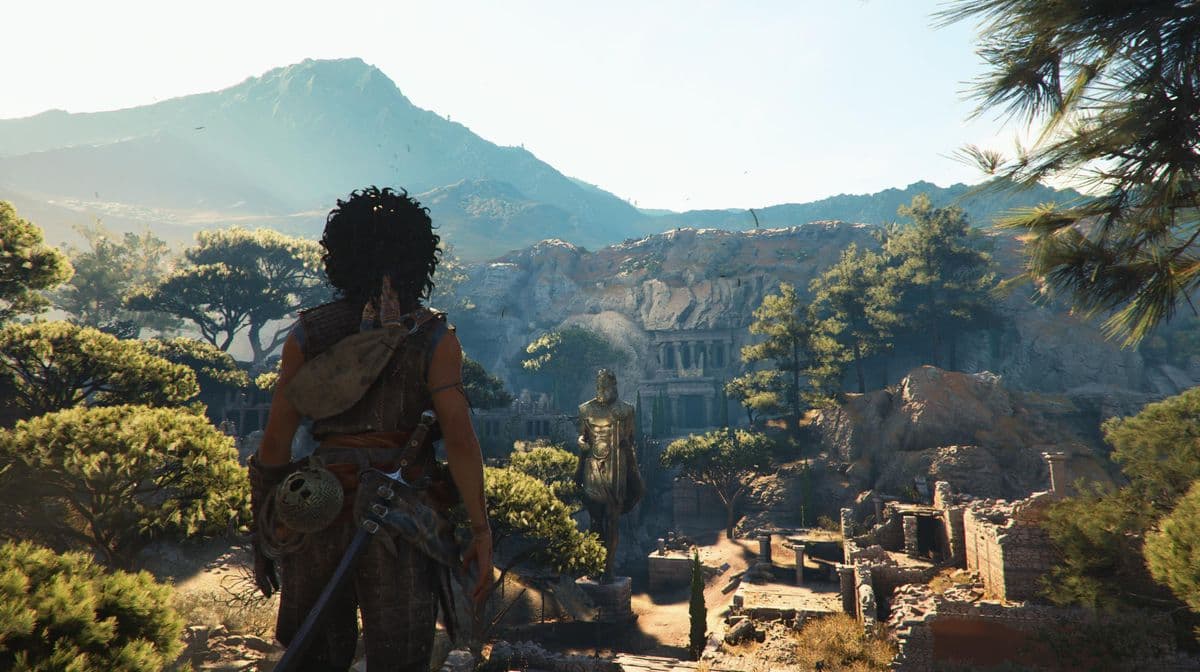
Asobo Studio has mastered the art of storytelling and world building, and Resonance continues that trend.
The narrative moves between present-day Sophia, moments from her younger life, and visions of a civilization from the Middle Ages. Despite constantly jumping between different periods, the story is rarely difficult to follow.
There are plenty of emotional highs and lows as we begin to understand what Sophia has experienced and why she eventually becomes the person we meet in Requiem.
The story isn't packed with massive twists or shocking revelations, but it does a good job of giving the player enough information to keep them guessing before providing clarity when it's needed.
Visually, the island is another showcase of Asobo's talent.
Beautiful coastal landscapes are contrasted with caves, ancient ruins, tombs, and elaborate puzzle chambers. Whether you're exploring the surface or descending underground, there is rarely a shortage of impressive scenery.
When the Story Moves Too Fast
Unfortunately, Resonance's relatively short runtime also creates one of its biggest problems.
At roughly 12–15 hours, the campaign moves quickly. For most of the game, that works in its favor. There isn't much unnecessary filler, and the story is constantly pushing you toward the next discovery.
But sometimes it moves too quickly.
This is especially noticeable with some of the character deaths throughout the story. These are moments that should carry significant emotional weight, but I didn't always feel like the game gave me enough time to build a strong connection with those characters before they were gone. Instead of leaving a lasting impact, some deaths felt more like another story beat before the game quickly moved on.
That's not to say the emotional moments don't work at all. There are still some genuinely effective moments throughout Sophia's story. But considering how well A Plague Tale has handled loss in the past, I expected some of these moments to hit harder than they did.
This becomes especially noticeable toward the end.
The final portions don't completely fall apart, but both the storytelling and level design begin to lose some of the momentum established earlier in the game. Several sequences fall into a repetitive pattern of running and hiding from a monster, and eventually I found myself hoping these sections would end so I could get back to the parts of the game I actually enjoyed.
It's unfortunate because the ideas behind these sequences are interesting. They're simply repeated enough that they begin to lose their impact.
Some Noticeable Technical Problems
Resonance isn't a technical masterpiece either.
I encountered multiple noticeable bugs throughout my playthrough, ranging from texture issues and objects clipping through the environment to collision problems and occasional bugs that forced me to restart a section.
None of these issues ruined the experience, and most were easy enough to overlook.
But they happened frequently enough that they're worth mentioning.
Verdict
Resonance: A Plague Tale Legacy is another wonderful entry in a franchise that continues to impress me.
Its beautiful setting, satisfying combat, surprisingly enjoyable puzzles, and intriguing story make Sophia's journey worth experiencing. More importantly, Resonance manages to expand the world of A Plague Tale without simply trying to recreate Amicia's story with another protagonist.
It has flaws. The pacing occasionally prevents emotional moments from hitting as hard as they should, the final portions become repetitive, and there are some noticeable technical issues throughout the campaign.
But none of those problems outweighed what I enjoyed about the experience.
For fans of A Plague Tale, Resonance is an easy recommendation and provides welcome context for a character we previously knew relatively little about.
And if this isn't the end of the A Plague Tale universe, Resonance has convinced me that Asobo doesn't need to rely solely on Amicia's story to keep it alive.
Verdict: Must Play for A Plague Tale Fans